
Insights & Field Realities
Knowledge & Wisdom: Integrating scientific rigor with ethical clarity for a harmonious coexistence.
Literary Works (Books)
The Founder has authored seven books, bridging the gap between clinical wildlife medicine and public awareness.
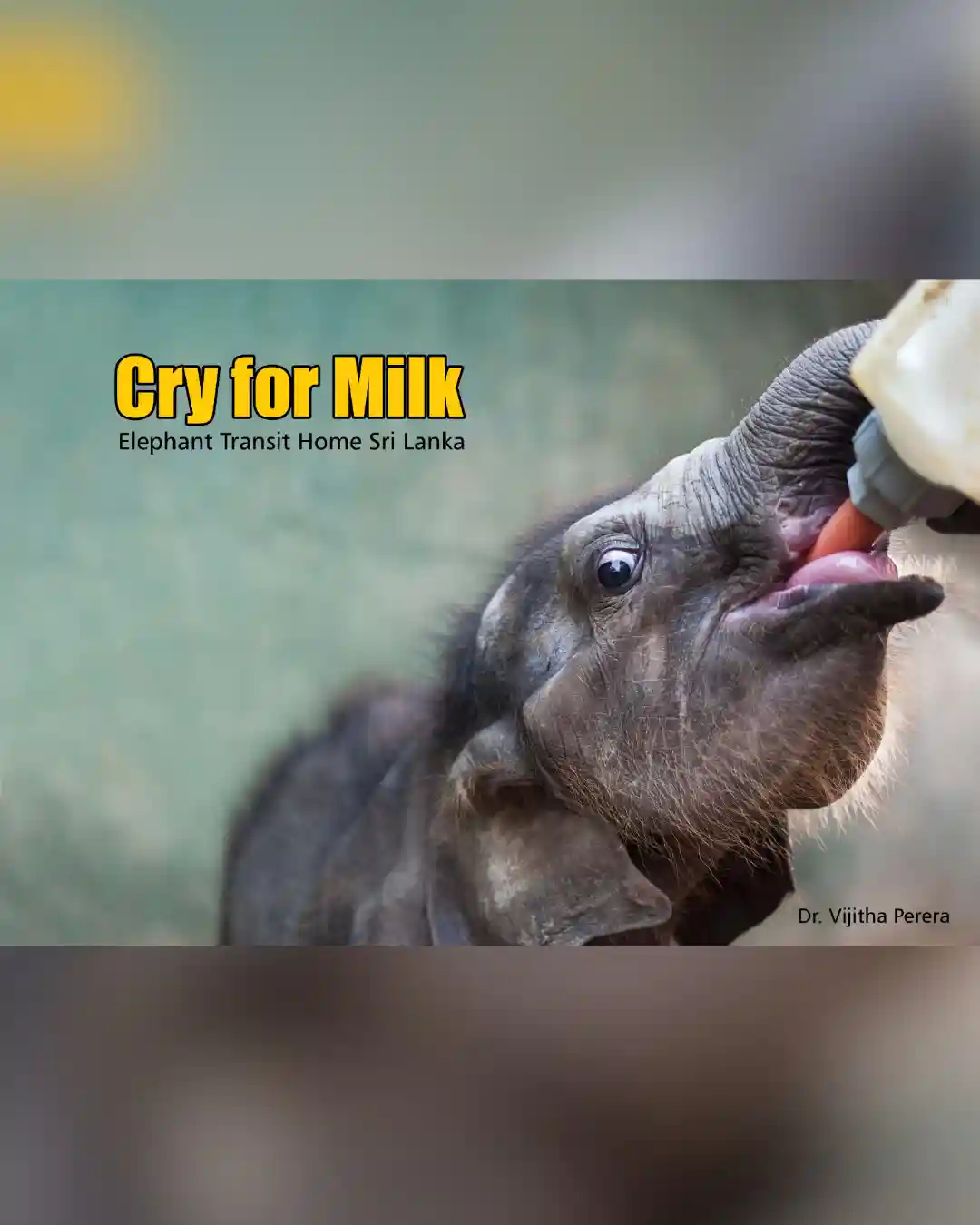
A Cry for Milk
English, 2015
A Cry for Milk: The story of the Elephant Transit Home (ETH), focused on community education and ethical rehabilitation.
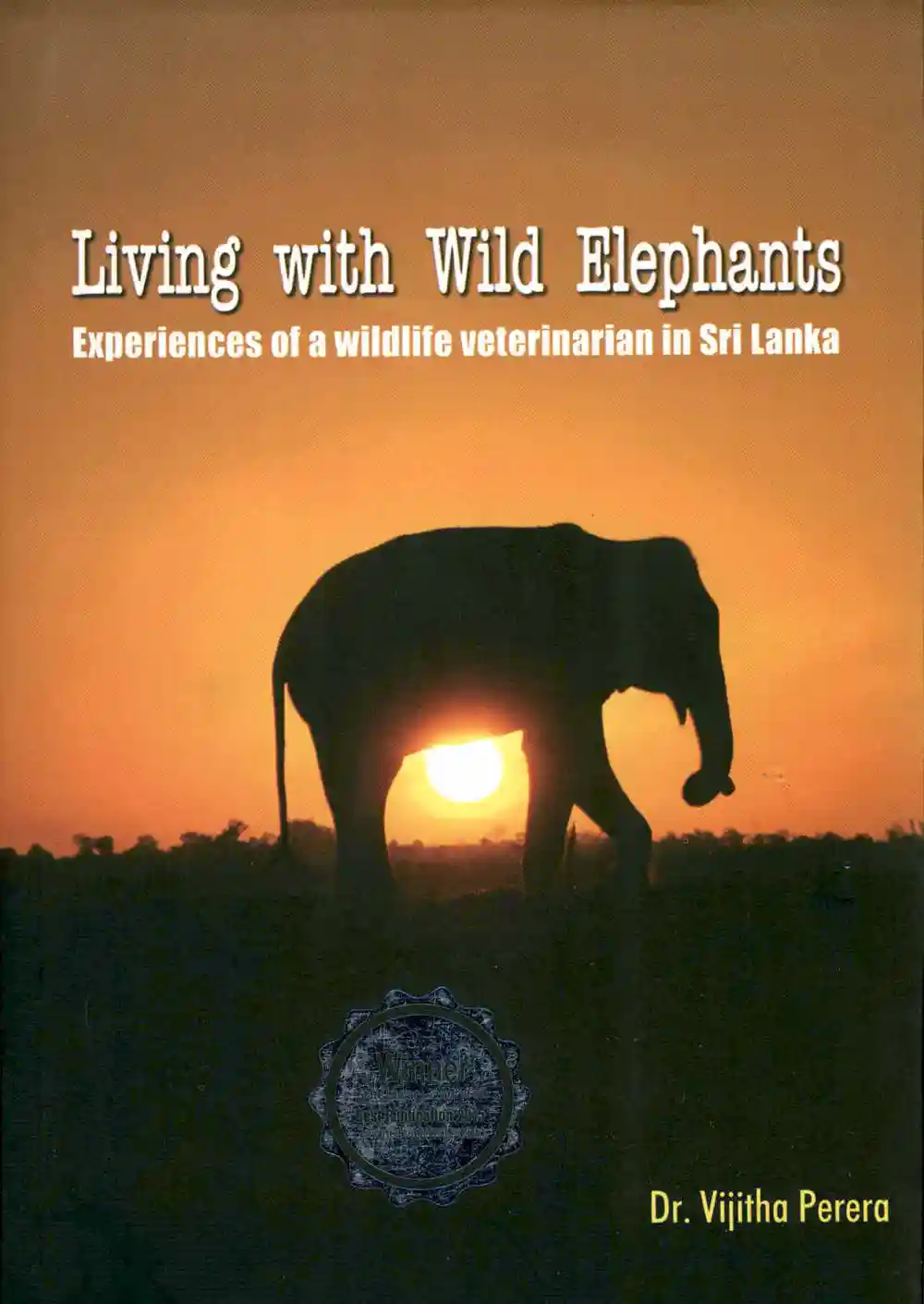
Living with Wild Elephants
English, 2015
Living with Wild Elephants: Reflections on long-term coexistence and the nuances of the human-elephant bond.
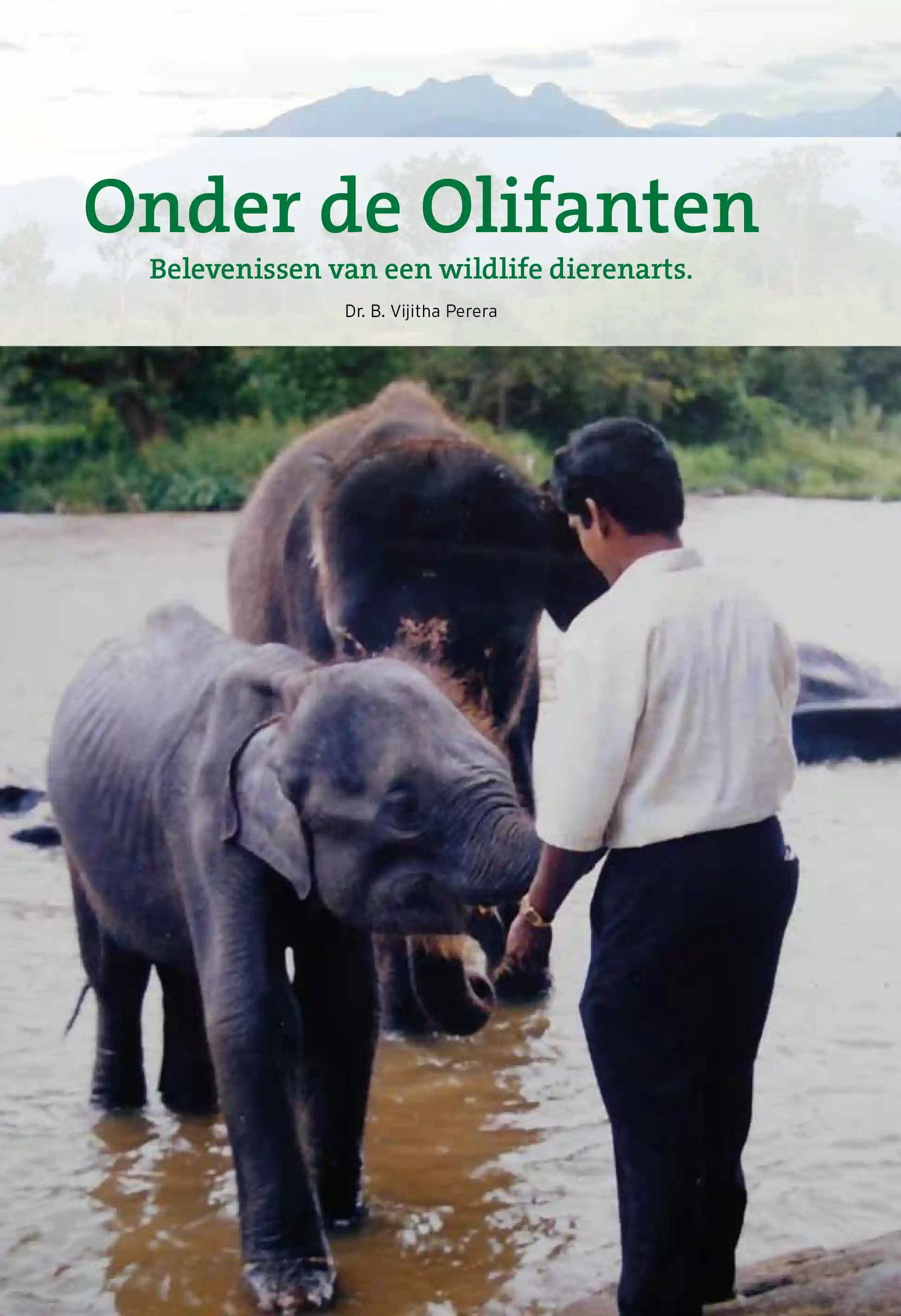
Onder de Olifanten: Belevenissen van een Wildlife Dierenarts
Dutch, 2015
A specialized international edition detailing the experiences of a wildlife veterinarian.
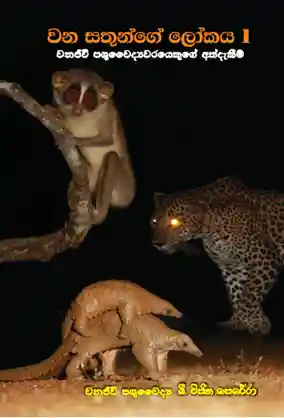
World of Wild Animals
Sinhala, 2021
A comprehensive exploration of biological diversity and field observations.
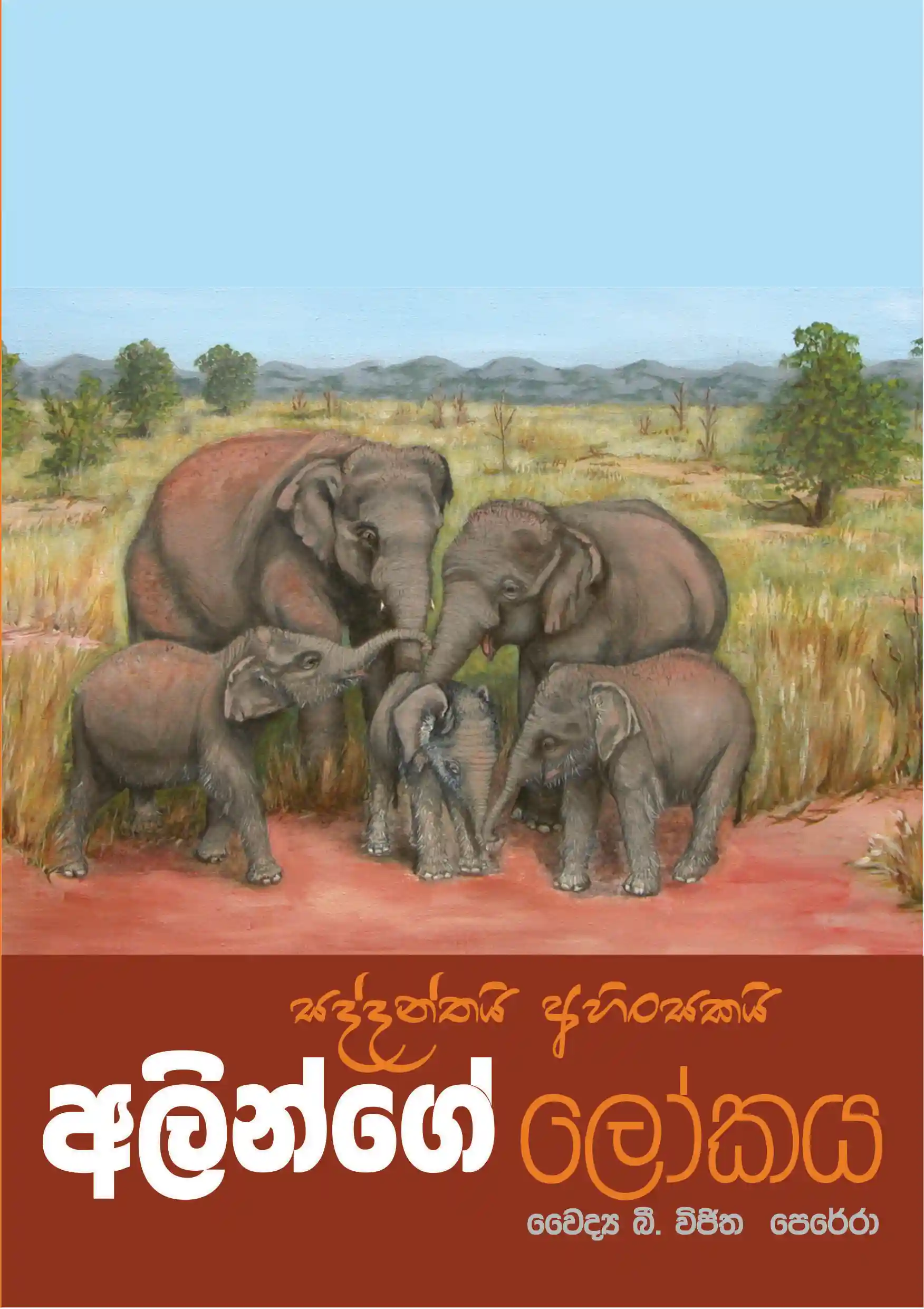
World of Elephants
Sinhala, 2020
An in-depth study of elephant social structures and behavior.
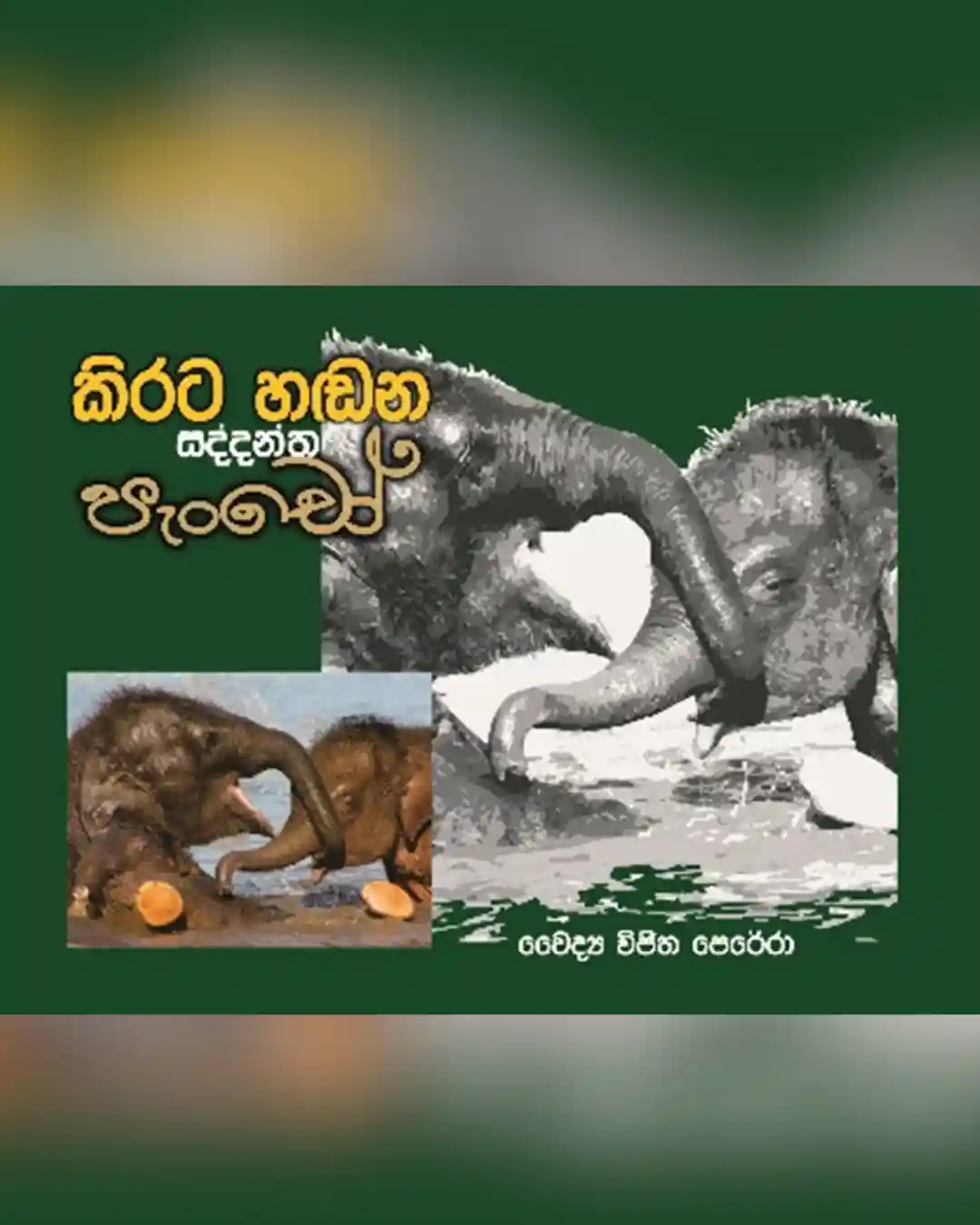
Story of Orphan Elephant Calves
Sinhala, 2016
A detailed account of the challenges and successes in rescuing and raising orphaned wildlife.
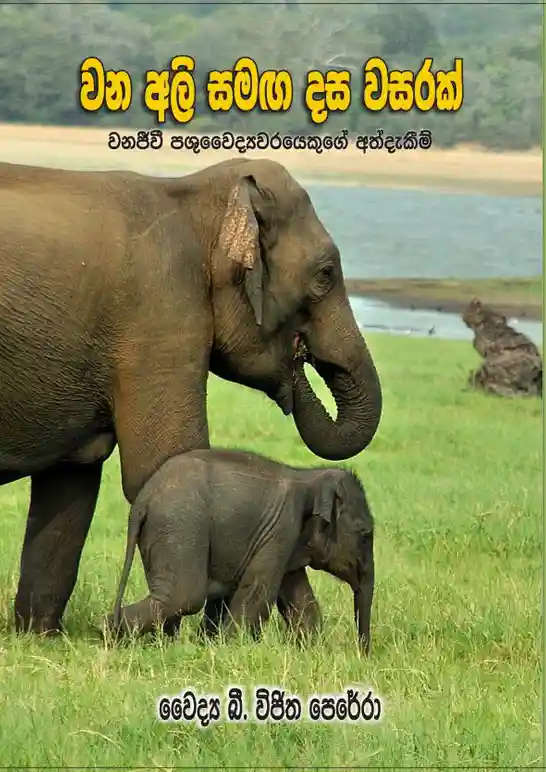
Decade with Jumbos
Sinhala, 2008
Reflections on a ten-year journey at the frontlines of elephant conservation.
Scientific Contributions
Advancing Global Understanding of Wildlife Health and Management
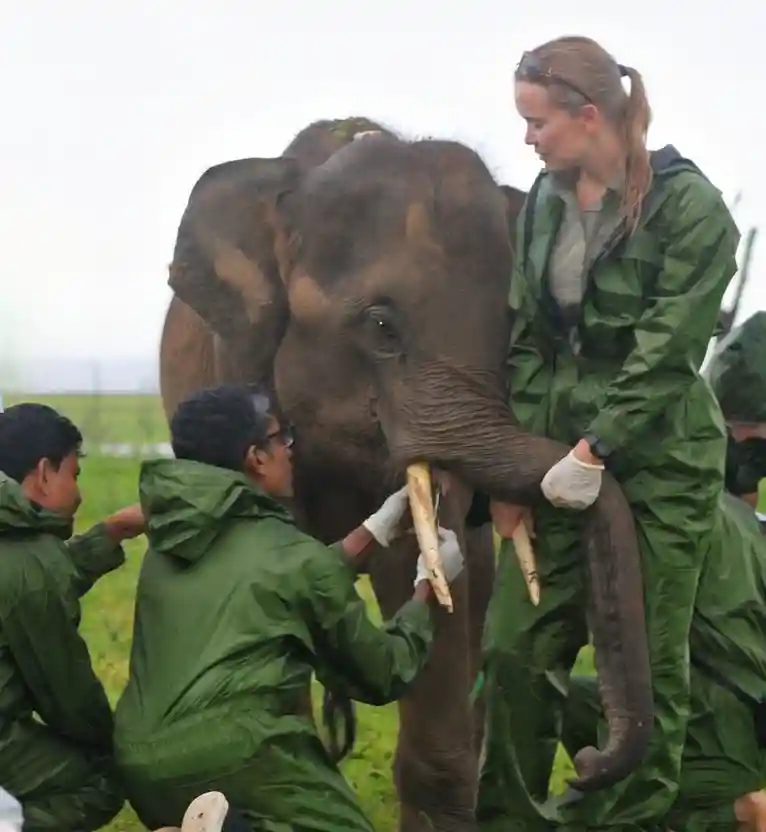
Dr. Perera’s research provides the scientific foundation for compassionate and effective conservation. With 95 total publications—including peer-reviewed papers and international conference proceedings—his work covers the critical pillars of modern conservation:
| Type | Publication Title | Link |
|---|---|---|
| PhD Thesis | Evaluation of the orphan wild elephant calf rehabilitation program at the Elephant Transit Home, Sri Lanka (2022). | description View PDF |
| Journal Article | Rapid post-release adaptation of released orphan elephants. Conservation Physiology (2025). | link View DOI |
| Rest of the publication | link View Publication List |
Honors & Recognition
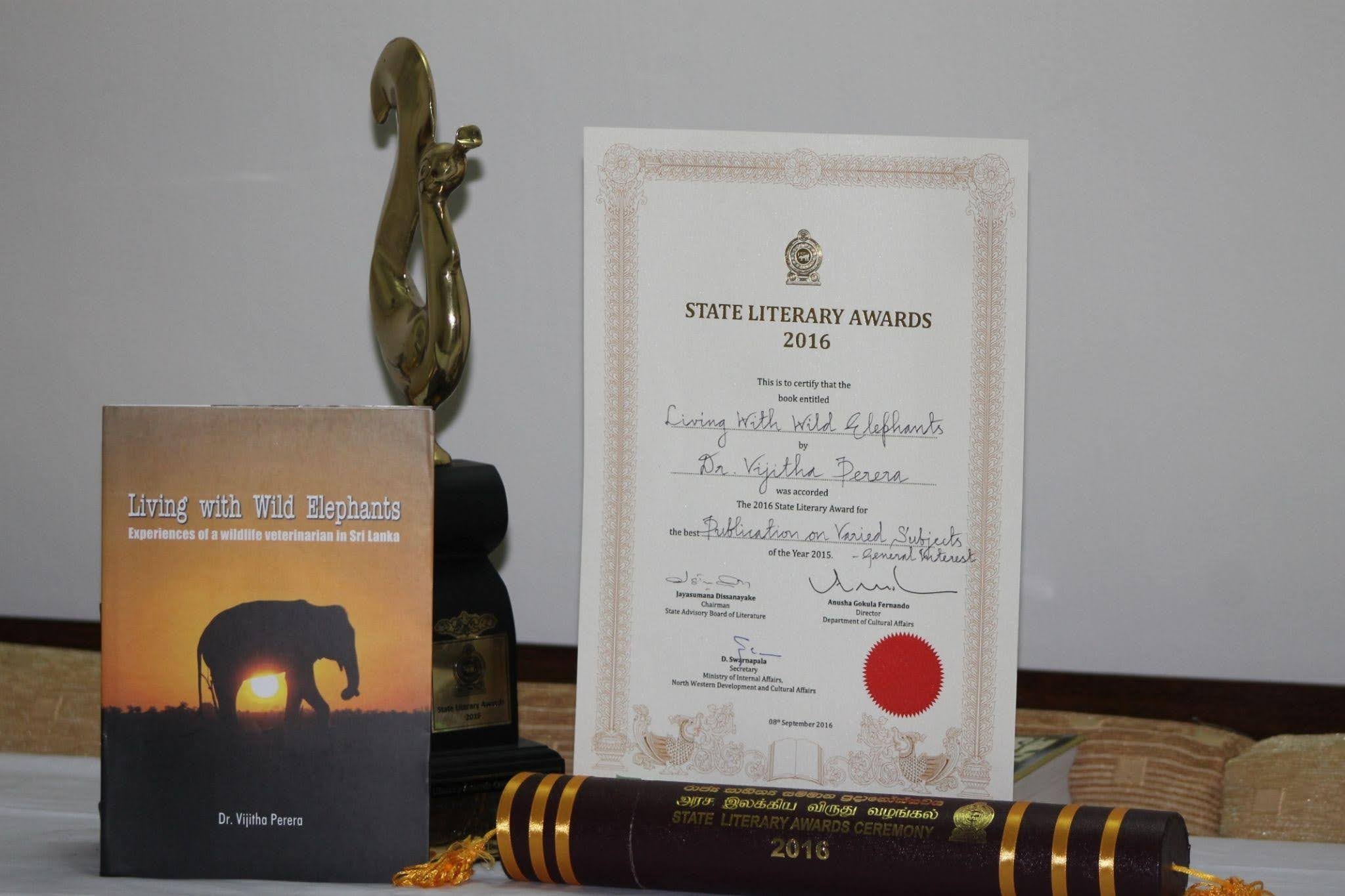
Global Animal Welfare Award 2022 (World Veterinary Association)
President’s Award for Scientific Publication (2014)
The State Literary Award for the Best Publication/Book of the Year (2015)
President Award for Outstanding Service to Wildlife (2017)
The Living Archive: Case Studies in Causality
Beyond the Story: Using the Past to Inform the Future
At the Noble Conservation Center, we treat these accounts as Living Case Studies. These raw, frontline scenarios are used within our programs to explore the Principle of Causality-understanding how human intentions, landscape changes, and psychological drivers create the ecological effects we see today.
Please watch this video to explore the inspiring work at the Elephant Transit Home, Sri Lanka. The visuals and the stories of two iconic figures, Sandamali and Namal, offer a powerful look at hope and healing. We discuss these case studies deeply across our programs. If you are interested, please join our forums to participate in active discussions on the Role of Rehabilitation in the Context of Conservation and Human-Animal Well-being.
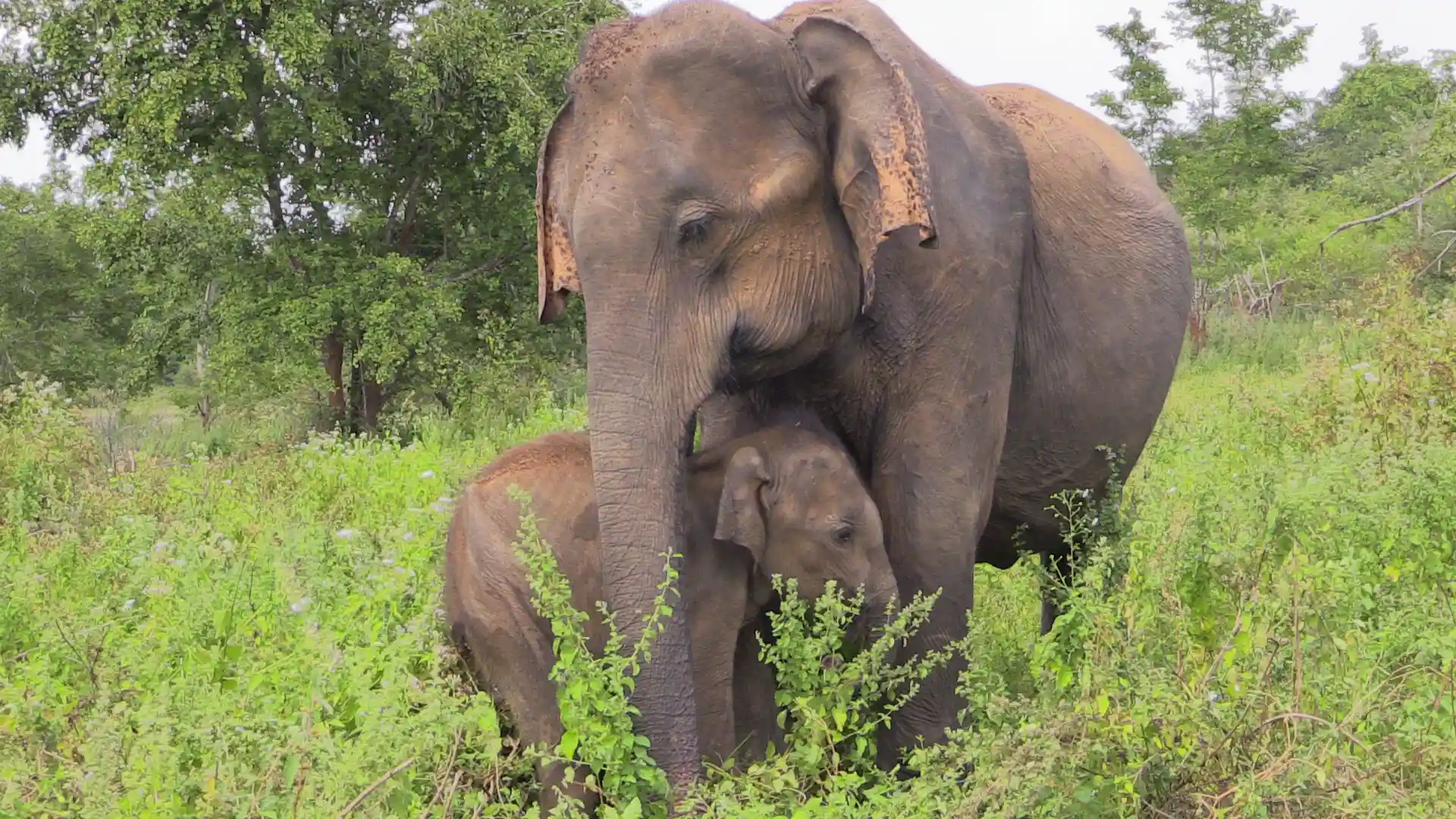
Sandamali: The Matriarch of Resilience
The Scenario: An orphaned calf who rose to become a surrogate mother for dozens of others.
The Causal Insight: Sandamali’s story highlights how habitat fragmentation (The Cause) leads to the orphan crisis (The Effect), but more importantly, it demonstrates the "Internal Landscape" of elephants-their capacity for non-human compassion and social stability even in displacement.
Thamali: The Price of Conflict
The Scenario: A young female elephant who lost her leg to a landmine during civil unrest.
The Causal Insight: Thamali serves as a case study for the "Indirect Victims" of human conflict. Her resilience in the face of permanent deformity challenges our ethical responsibility toward survivors of human-driven trauma.

The Mahaweli Project: The Illusion of Control
The Scenario: A massive development project that resulted in the tragic death of both a dedicated team member and a "dangerous" elephant.
The Causal Insight: This is a study in Systemic Failure. It explores how reactive management and a lack of "Causal Intelligence" in development planning lead to cycles of fear and fatal outcomes for both species.
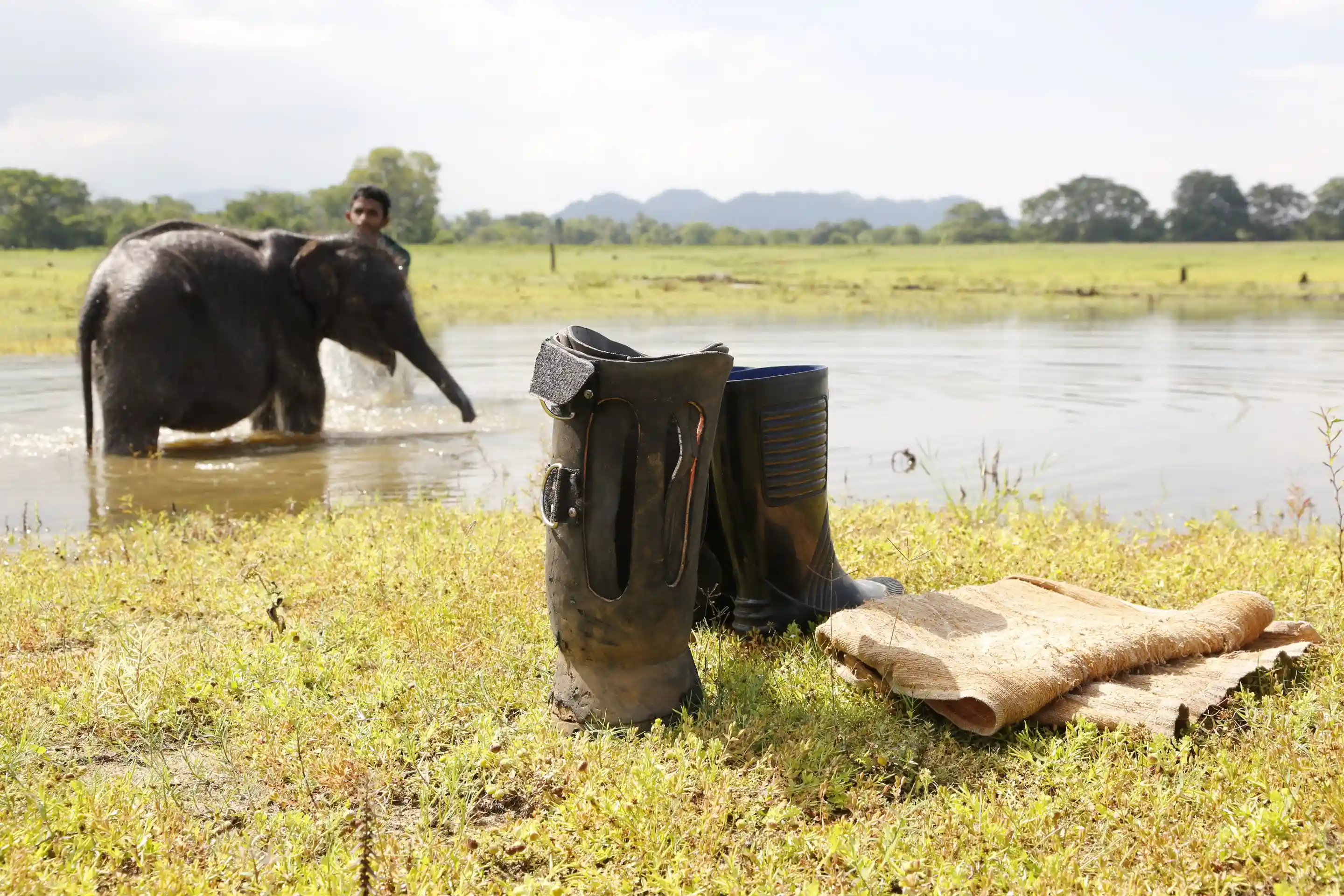
Namal: The Impossible Life
The Scenario: The first elephant in history to thrive with a prosthetic limb for over a decade.
The Causal Insight: Namal’s journey is a study in Precise Intervention. It demonstrates that when science (veterinary surgery) is paired with a refusal to give up on life (Ethical Steadiness), the boundaries of "survival" can be rewritten.
Join Our Programs
This program strengthens the guardian - not just the strategy.