The Ambition and the Reality
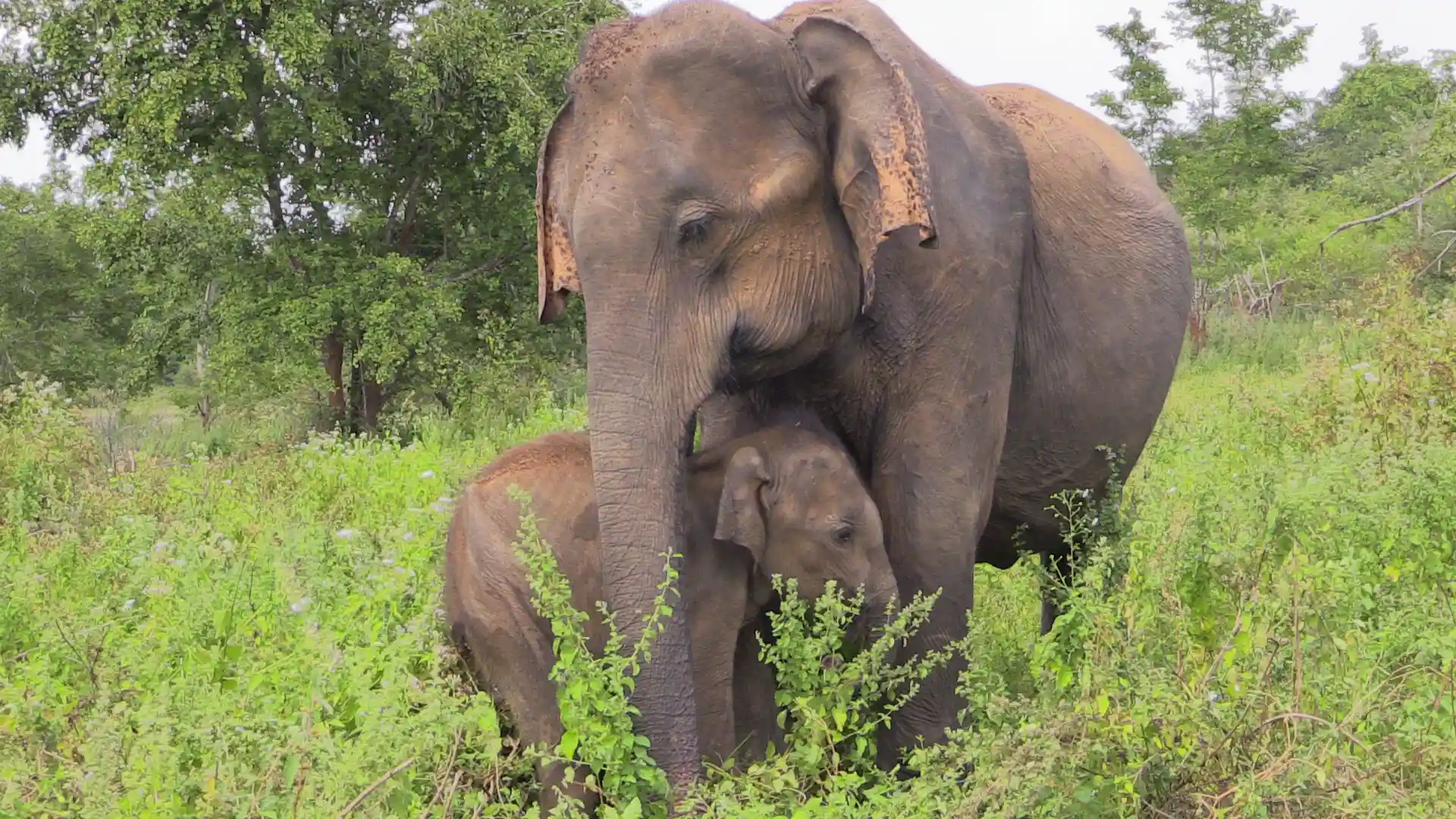
The Mahaweli Development Project, hailed as Sri Lanka's most ambitious initiative, aimed to harness the waters of the Mahaweli River for agriculture and hydraulic power generation while transforming unproductive land into fertile territory. This grand development plan promised numerous benefits, including increased prosperity for the country. However, amid these hopeful promises, a dark and tragic reality unfolded for the wildlife, particularly the elephants, as their ancestral territories were destroyed, leaving them to endure injustice from the very people who displaced them. The Mahaweli Development area, specifically System C centered on Dehiattakandiya, proved to have the most significant impact on elephants, altering their lives forever.
Broken Corridors
Originally, the plan included the designation of two forested areas, Wasgomuwa National Park and Maduruoya National Park, as protected spaces for wild animals. An essential forest corridor was intended to link these two parks, allowing elephants and other creatures to traverse safely between them. However, this vital corridor never came to fruition, and its absence had dire consequences.
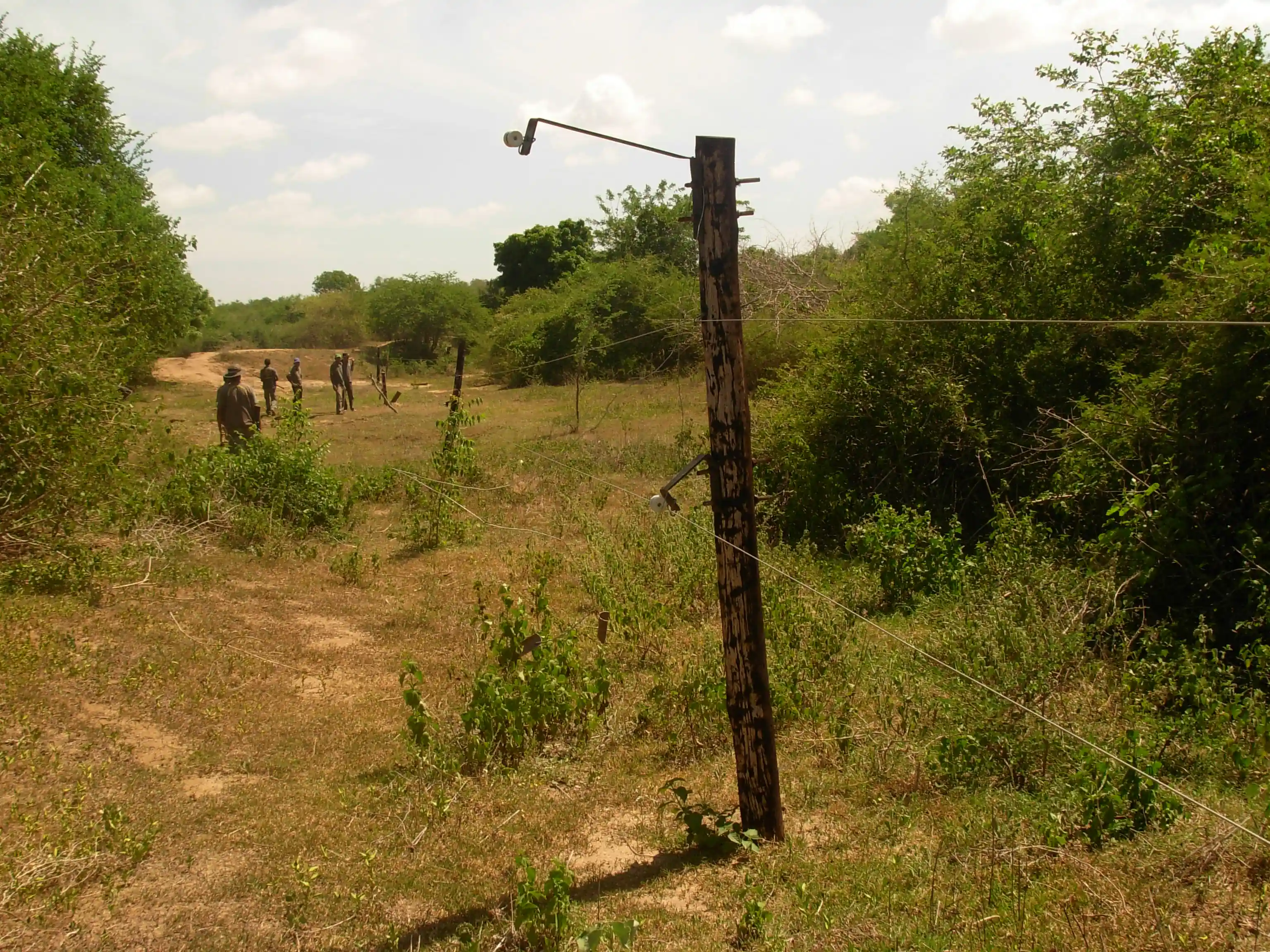
As the development project progressed, vast swathes of elephant-inhabbited land were cleared, and thousands of people were resettled in areas traditionally belonging to the animals. The consequences of this displacement were felt profoundly, especially by the elephants, who rely heavily on their ancestral memories and homelands for survival.
Instinct and Enclosure
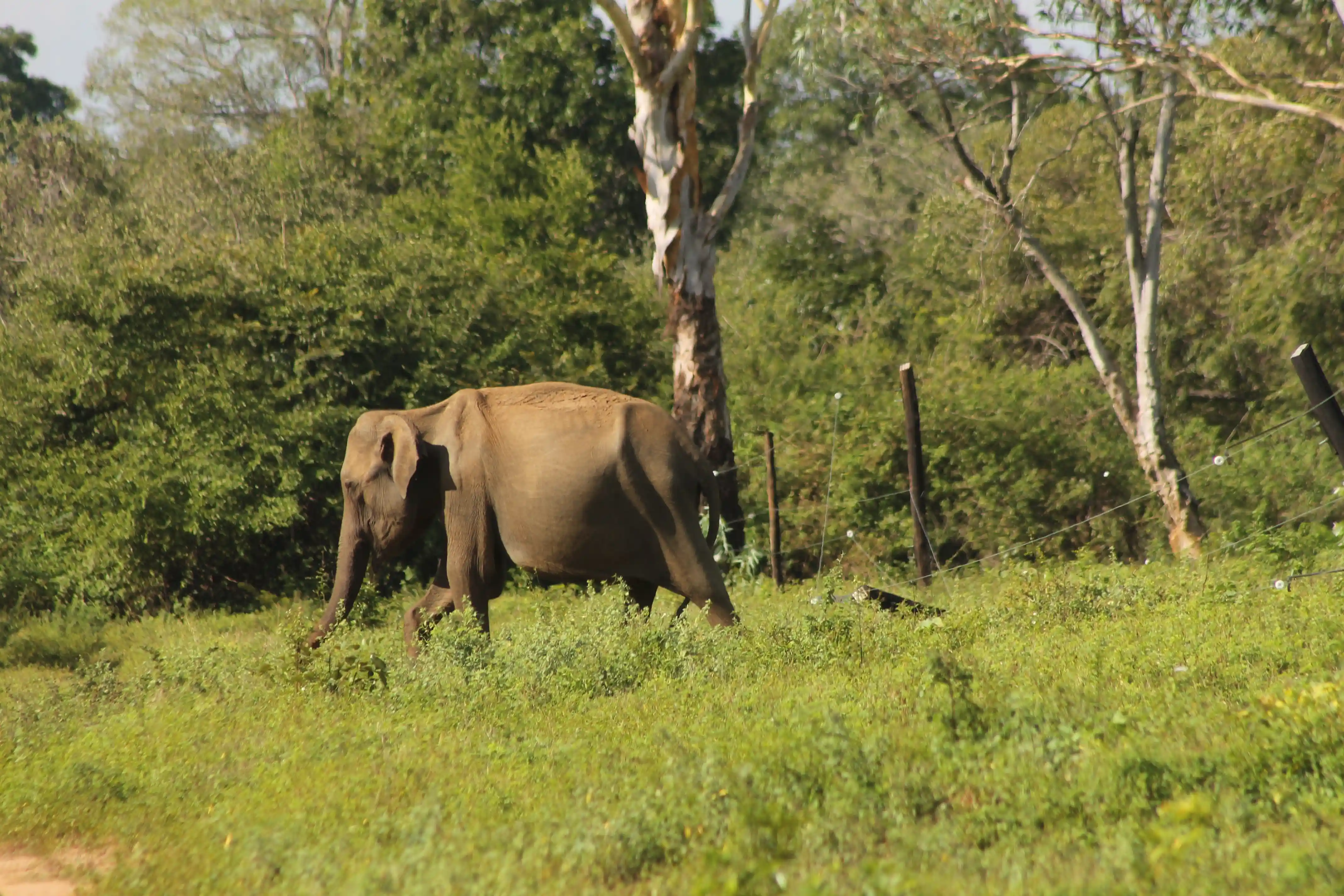
Throughout the implementation of the project, elephants were forcibly removed and confined to the newly established national parks. Despite being intended as protected areas, the animals' natural instincts drove them to return to their original territories at every opportunity. The males, especially, were relentless in their attempts to break free from the enclosures and reclaim their rightful places.
The newly cultivated green fields and gardens were irresistible to the wandering elephants. The human-made barriers erected to prevent their movement often proved inadequate, leading to regular excursions back to their former habitats. As they raided crops and consumed resources that were now considered the private property of the settlers, tensions between humans and elephants escalated.
A Lifelong Commitment
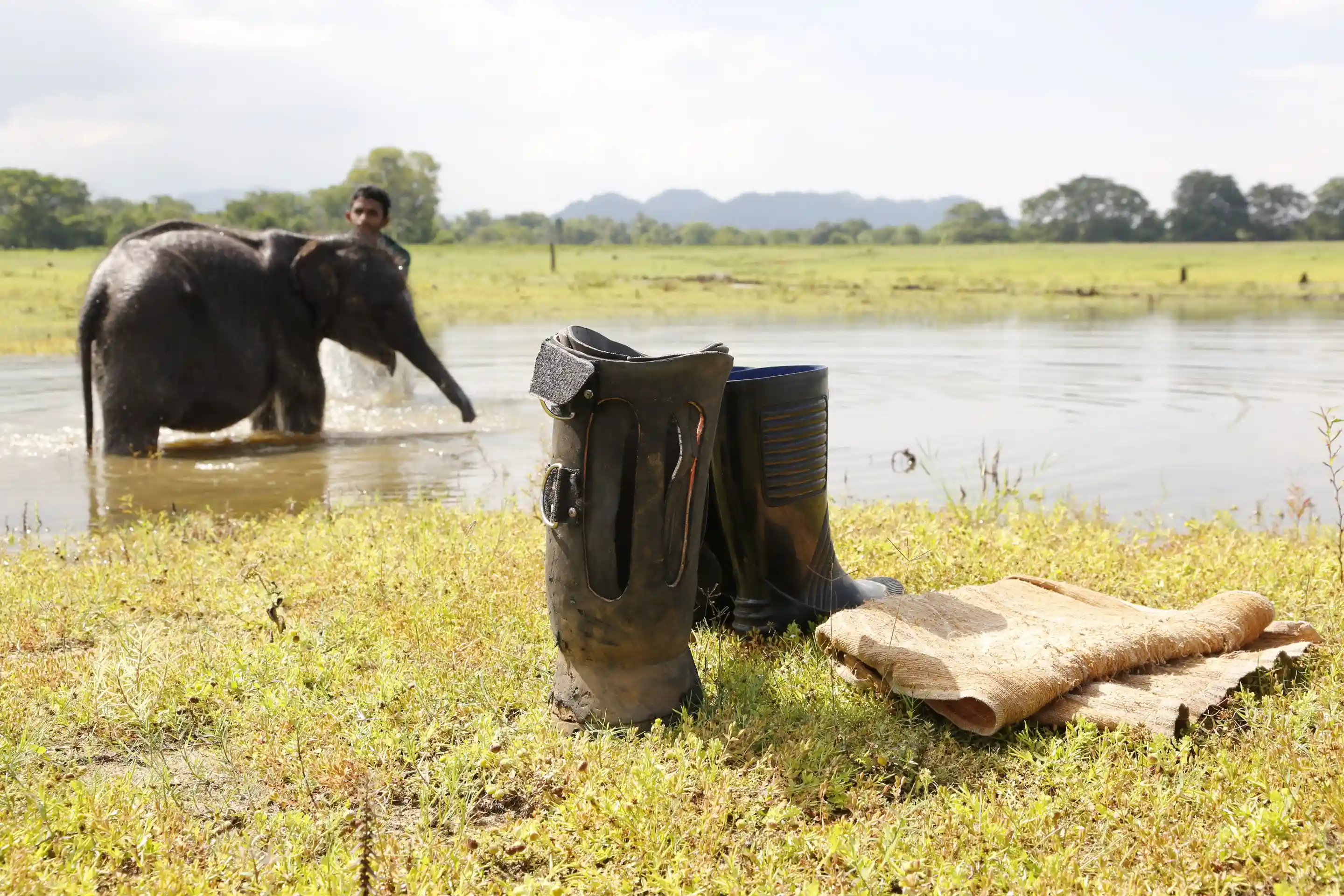
For much of my career, I served in the Mahaweli Development area, dedicating my efforts to the welfare of elephants. I treated wounded elephants, rescued orphaned calves, and conducted operations to assist those trapped in man-made pits and irrigation canals. Unfortunately, the human-elephant conflict had become an all too familiar reality for the newly settled communities. Both human and elephant lives were lost due to confrontations arising from crop raiding and property damage.
The 1998 Lihiniyagama Operation
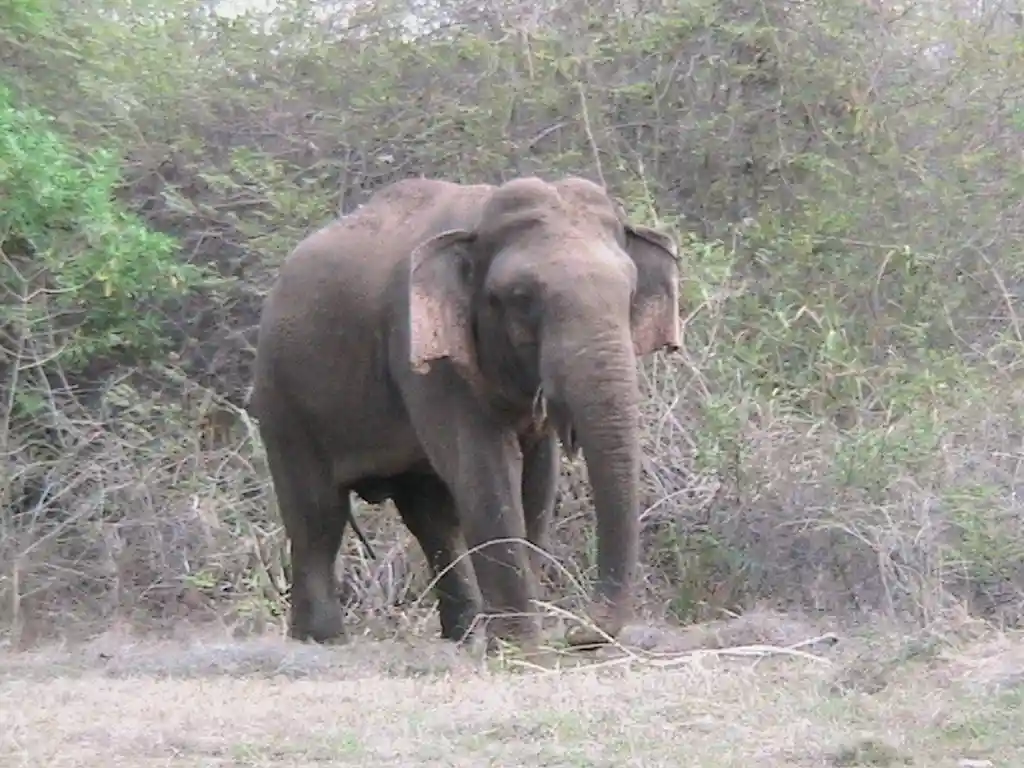
In the early months of 1998, fear gripped the villages bordering the Wasgomuwa National Park, as a few lone elephants became notorious for attacking humans. The situation was dire, and urgent action was required to protect the villagers and the elephants. Dr. Nandana Athapattu, a respected expert in the field, organized an operation to capture the chief culprit behind the attacks and relocate him to a safer location.
Being asked to join Dr. Athapattu's team was a unique opportunity for me to gain valuable experience in elephant capture. The operation's base camp was set up in the village of Lihiniyagama, where we were warmly welcomed by the terrified villagers. Their lives had been upended by the conflicts with elephants, yet they remained hopeful that our presence would alleviate their hardships. The villagers shared their stories of struggle with the human-elephant conflict, unaware that their new settlements were once the home of countless innocent animals forced out by development.
A Heartbreaking Conclusion
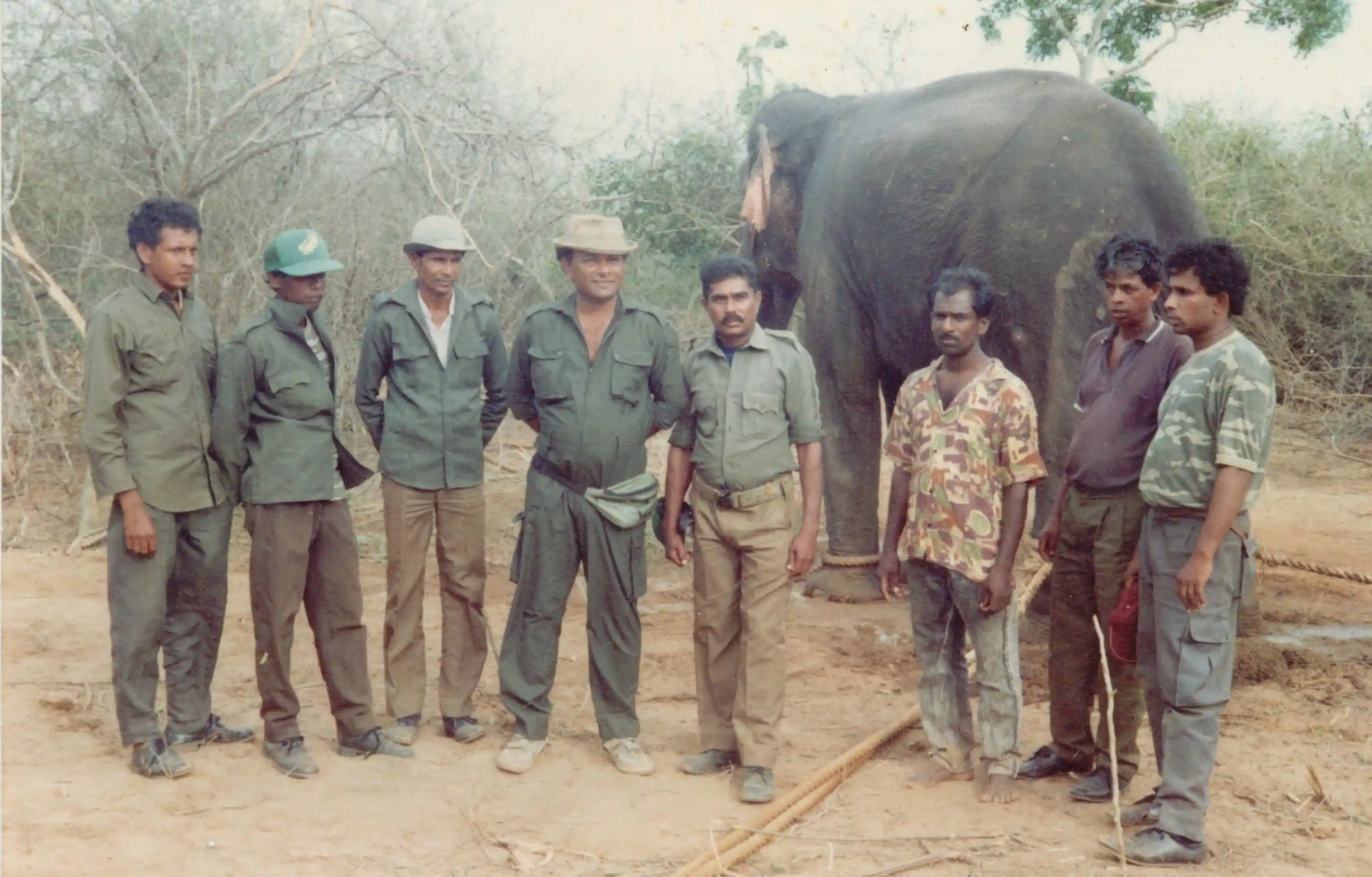
Despite the risks, we were determined to corner and tranquilize the dangerous elephant. However, our initial attempts failed, and the elusive creature remained at large. Finally, we received a sighting of the elephant in the Webadagama area, where he appeared to be in musth, a period of heightened aggression. We prepared to administer the tranquilizer, knowing the task was fraught with danger due to the elephant's aggressive behavior and previous attacks.
Tragically, the situation spiraled out of control as the elephant attacked Mr. Mansoor, one of our team members, during the operation. The chaos that ensued was overwhelming, and we rushed Mr. Mansoor to the hospital, but it was too late. His untimely death sent shockwaves through the team and the surrounding villages, leaving us devastated and grieving the loss of a respected colleague.
As we mourned the death of Mr. Mansoor, we received another heartbreaking piece of news. The elephant we had attempted to capture was found dead in the jungle. The tranquilizer had taken effect, rendering the once-dangerous elephant unconscious, but due to our emotional state after the tragic incident, we failed to follow the necessary steps to revive and relocate him. The animal passed away, unconscious and alone.